With less than ten months until the 2027 general election, the rhythm of governance in Nigeria is beginning to sound more like a campaign drumbeat. Across cities and rural communities alike, politics is no longer a background hum, it has taken centre stage, often at the expense of policy and long-term development.

In markets, motor parks, and community squares, the signs are unmistakable. Branded rice bags, cooking oil, cash envelopes, and hastily assembled “empowerment programmes” are becoming more frequent. For many citizens battling rising living costs, these gestures offer immediate relief. But beneath the surface lies a deeper question: at what cost to sustainable governance?

“They remember us only when elections are near,” said Tunde Olawale, a Lagos-based artisan. “They have started sharing sewing machines, hair dryers and other materials. I hope it will continue after the election.”

This pattern is not new, but its intensity appears heightened this cycle. Analysts say the political class is increasingly prioritising short-term voter appeasement over structural reforms that could deliver lasting benefits. The result is a governance gap where attention shifts from policy implementation to political survival.

Take the promise of compressed natural gas (CNG) buses, for instance. Following the removal of fuel subsidy in 2023, the government projected a transition to cheaper transport alternatives as a cushion for Nigerians. Yet, nearly three years later, only a handful of such buses are visible on the roads, and the anticipated relief remains largely unrealised.

Read also: 2027: Attacks, disruption of opposition meetings give early signal of violent poll

Instead, what has emerged is a wave of politically-branded interventions, distribution of palliatives framed as empowerment. While these initiatives may temporarily ease hardship, critics argue they are designed less as policy responses and more as electoral investments.

In Lagos, trader associations have reported an uptick in visits by political figures bearing gifts. In some communities, local leaders are mobilised to gather residents for distribution events that double as campaign rallies.

“They are not solving problems; they are managing perception. People are hungry, so anything you give them, they will appreciate. But appreciation is not the same as development.” Abiola Ogunwale, a public affairs commentator, said.

For many Nigerians faced with economic hardship, rejecting immediate assistance is not always practical. Yet, accepting it often reinforces a cycle where accountability is weakened, and long-term planning is sidelined.

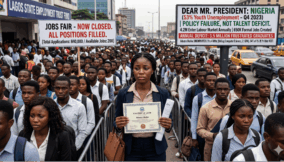
“You can’t blame the people,” said Ogunwale. “If someone gives you food when you’re struggling, you’ll take it. But deep down, we know this is not what we need. We need jobs, stable prices, good schools, things that last.”

The shift toward election-focused governance also raises concerns about stalled projects. Infrastructure initiatives, policy reforms, and social programmes risk being deprioritised as political actors redirect resources toward campaign machinery.

Yet, within this landscape, there are calls for a more discerning electorate. Civil society groups are urging voters to look beyond handouts and demand accountability for past promises.

As elections approach, the tension between politics and governance is likely to intensify. For the political class, the strategy may be clear, secure loyalty by any means necessary. But for citizens, the challenge remains navigating immediate needs without losing sight of long-term aspirations. Because in the end, a bag of rice may last a few days. Good governance, if delivered, lasts far longer.

Taofeek Oyedokun is a correspondent at BusinessDay with years of experience reporting on political economy, public policy, migration, environment/climate change, and social justice. A graduate of Political Science from the University of Lagos, he has also earned multiple professional certificates in journalism and media-related training. Known for his clear, data-driven reporting, Oyedokun covers a wide range of national and international socioeconomic issues, bringing depth, balance, and public-interest focus to his work.

Join BusinessDay whatsapp Channel, to stay up to date

Open In Whatsapp