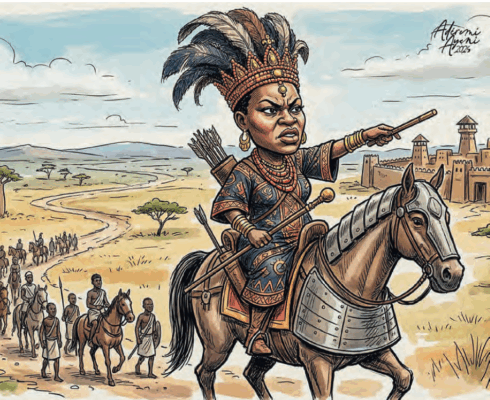
For many Nigerians today, the image of the ‘African woman’ is framed by a contradiction between admiration and authority. Influenced by religious teachings, cultural expectations and modern stereotypes, she is praised as resilient, celebrated as the backbone of family and community, and expected to endure extraordinary burdens with quiet strength. She is, however, rarely imagined as a political authority or an architect of public power. This perception sits uneasily with Africa’s own history. Long before colonial rule reshaped political inst