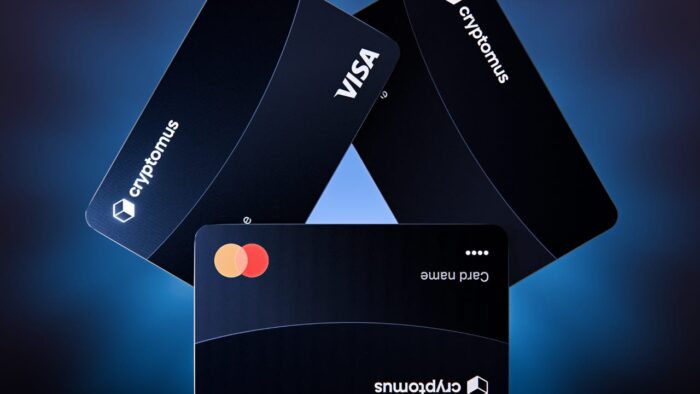
Paying with a card has become routine — we tap, swipe, and move on without thinking. Now that crypto is entering everyday payments, many people are wondering how crypto debit cards actually compare to the traditional bank cards they already use. In this article, we’ll look at the main differences and help you understand which option makes more sense for daily spending.

What Are Traditional and Crypto Debit Cards?

Before comparing the two, it helps to understand what each type of card is actually designed for. While they may look almost identical in your wallet or mobile app, traditional debit cards and crypto debit cards come from very different financial systems — and that affects how your money is stored, accessed, and spent.

Traditional debit cards connect straight to your bank account, so you’re simply spending the money that’s already there. Every time you tap or pay online, the amount comes out of your balance almost right away — which is why these cards feel so familiar for everyday use.
Crypto debit cards work in a similar way on the surface, but the funds come from a crypto wallet or exchange instead of a bank. When you make a purchase, the crypto is usually converted into local currency automatically in the background. Many providers focus on virtual crypto cards rather than physical ones, letting users add them to mobile wallets and start paying online or through Apple Pay and Google Pay without waiting for delivery.

Key Differences Between Crypto and Traditional Debit Cards

Both types of cards may look almost identical today — especially with virtual versions available — but the real difference shows up in how the money moves and what sits behind each payment.

Funding source. A traditional debit card pulls money straight from your bank balance, while a crypto card uses funds stored in a wallet or on an exchange.

Currency type. Bank cards deal with regular fiat currencies, whereas crypto cards start with digital assets that are usually converted at checkout.

Payment process. With a traditional card, payments go through standard banking rails. Crypto cards often handle an automatic crypto-to-fiat swap in the background before the transaction is approved.

Availability. Debit cards from banks are accepted almost everywhere, while crypto cards can be limited depending on local rules and provider support.

Fees and rates. Bank fees tend to be more predictable, while crypto cards may include conversion costs or extra platform charges.

Security approach. Traditional cards lean on banking protections, while many crypto cards give users extra app controls like freezing the card instantly or tracking spending in real time.

Pros and Cons: Which One Is More Practical?

When you look past the technology, the choice between a crypto debit card and a traditional one is really about convenience. Crypto cards make sense for people who already keep part of their balance in digital assets and want to use them without extra steps. Paying directly from a crypto wallet, managing the card through an app, or setting quick spending controls can feel flexible and modern — especially for online purchases or cross-border payments. At the same time, they can come with small trade-offs, like conversion costs or limited availability depending on where you live.

Traditional debit cards, on the other hand, remain the most straightforward option for everyday spending. The balance stays in local currency, fees are usually easier to understand, and acceptance is almost universal. They may not offer the same level of flexibility for crypto users, but for routine payments and predictable budgeting, many people still find them more practical.

In the end, it’s less about which card is “better” and more about how you manage your money. Traditional debit cards keep things simple and stable, while crypto cards open the door to spending digital assets more naturally. For many users, the most practical setup isn’t choosing one over the other — it’s knowing when each one makes sense.

Join BusinessDay whatsapp Channel, to stay up to date

Open In Whatsapp