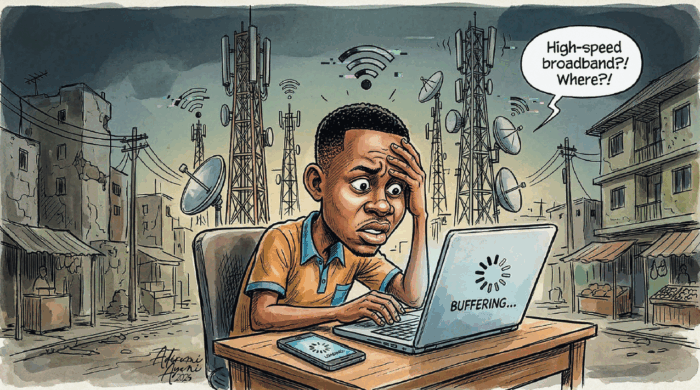
Whenever debates arise over the education and skills development crisis in Nigeria, the explanation is almost always the same – poor infrastructure, inadequate funding, and a shortage of skilled workers. These claims are not entirely false, but they are deeply incomplete. What they conceal is a more uncomfortable truth. Nigeria’s problem is not simply one of scarcity; it is a problem of capacity underutilisation, talent mismanagement, and inefficient use of available resources. The evidence is hiding in plain sight, revealed through a series of