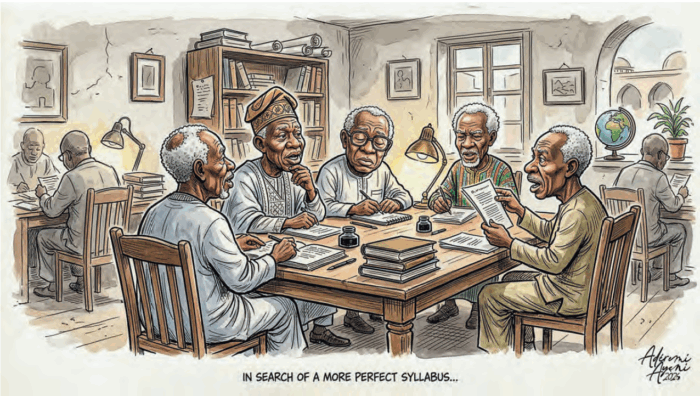
National development in nations around the world is usually judged by visible metrics such as highways, industries, airports, market potential, and financial capacity. However, history shows that the deeper forces that determine a country’s direction are rarely visible in concrete or steel, but in what it thinks, preserves, and transmits across generations. The strength of a nation’s ideas, values, and intellectual traditions quietly determines the durability of its progress. Long before policies are written or budgets approved, it is in the re