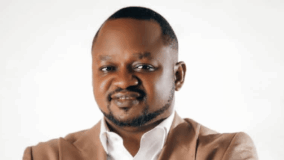
Samuel Mawuyon Ajose is the Chairman and Chief Executive Officer of Levitikal Group, a diversified conglomerate with interests in real estate, construction, hospitality, agriculture, energy, and manufacturing. An astute businessman and strategic thinker, Ajose is widely known for his visionary leadership and entrepreneurial drive. In this interview with CHUKA UROKO, BusinessDay’s property editor, he speaks about the conglomerate he leads, its expanding footprint across sectors, and how its operations continue to impact lives and the economy. Excerpts:
Yours is a group of companies with interests in diverse sectors of the economy. Tell us briefly about the subsidiaries and what each seeks to achieve.
First and foremost, we have Levitikal Construction and Real Estate, which focuses on construction and housing development.
We also operate Levitical Ready-Mix Concrete Limited, which supports our projects and those of other major players in the industry. In terms of production capacity, our ready-mix concrete operations are among the largest in Lagos and Nigeria today. This is largely due to the scale of infrastructure we have invested in within that division. There were instances in the past when companies such as Lafarge rented equipment from us.
Over time, they reduced investment in their own equipment division because they frequently relied on ours. Since our equipment carries our company name and contact information, some of their clients even reached out directly to us, which encouraged us to eventually invest again in our own equipment.
We also have Levitical Equipment Leasing, where we invest heavily in construction equipment. These machines are used internally and are also leased to major construction firms and emerging developers who may not have the financial capacity to purchase heavy equipment outright.
Another subsidiary is Colortech, which holds the franchise rights for Colorado Paints in Nigeria. Colorado Paints is a Moroccan brand, similar to how Dulux Paints, an international brand, is marketed in Nigeria through Chemical and Allied Products Limited (CAPL). In the same way, Colortech has introduced and distributes the Colorado Paint brand locally.
We also operate Levitikal Hotels and Entertainment, which represents our expansion from real estate into hospitality. Through this arm, we are developing what we believe will become West Africa’s largest resort destination, the Prime Meridian Aquatic and Golf Resort.
The resort sits on approximately 56 acres of waterfront land in Badagry, and construction is currently underway. Once completed, it will transform tourism not only in Lagos but also across West Africa by creating a new destination for international visitors.
“Our goal has always been to impact humanity. For example, our batching plants consume several trailers of cement daily. That level of activity creates significant economic activity across supply chains.”
You have spoken passionately about your hotels and entertainment division. What makes this resort the largest in West Africa?
The Prime Meridian Aquatic and Golf Resort will feature the largest water park in the region, alongside a championship golf course and several world-class recreational facilities. It will include retail spaces, entertainment zones, hospitality suites, and a wide range of lifestyle attractions designed to bring global leisure experiences to Nigeria. One of our motivations is to reduce capital flight. Many Nigerians travel abroad not only for vacations but also for shopping and entertainment. Our goal is to bring that same experience here so people can enjoy those services locally while boosting the domestic economy.
What is driving Levitical Group’s expansion across multiple sectors?
Our diversification is not accidental; it is strategic and nation-focused. Nigeria is a complex but opportunity-rich economy. Sectors like real estate, construction, and energy are foundational because they influence infrastructure development, employment generation, and economic growth. Our expansion into multiple sectors is driven by three core principles: nation-building, long-term value creation, and economic resilience through diversification. We believe that strong institutions must build the infrastructure and housing that drive sustainable development.
Let’s talk about your ready-mix concrete operations. How do you manage competition with companies like Lafarge?
Ready-mix concrete production involves several components. Cement is only one of them. You also need batching plants; skilled manpower; equipment; granite; sand; controlled water supply; laboratory testing facilities; admixtures; and fuel. The most expensive inputs are the batching plant infrastructure, cement, admixtures, and diesel.
We have invested heavily in admixture supply systems sourced directly from China. In addition, we have focused on training local Nigerian engineers and operators to run the plants efficiently, which reduces operational costs compared to companies that rely heavily on expatriate labour. Another advantage is our location. While some producers operate far outside the city, our plants are located closer to major construction zones, which allows us to deliver concrete quickly, even in urgent situations. We also operate a high-capacity, four-cubic-metre batching plant, which significantly increases production efficiency.
It is clear that you invest heavily in your operations. What funding model works best for your projects, equity or debt?
The answer depends on the nature of the project. In real estate, many developers rely on off-plan financing, which is essentially a form of equity investment from buyers. However, off-plan financing can become risky if economic conditions change dramatically. For example, when construction materials suddenly increase in price, developers who have already sold units at fixed prices may face major financial pressure.
In such cases, debt financing can provide more flexibility because it allows project pricing to adjust to current market conditions. While debt comes with interest costs, it often offers greater stability in volatile economic environments.
How has your company’s operations impacted families and the broader economy?
Our goal has always been to impact humanity. For example, our batching plants consume several trailers of cement daily. That level of activity creates significant economic activity across supply chains. Drivers, transport operators, diesel suppliers, production staff, and logistics workers all benefit directly or indirectly from our operations.
Levitikal Group currently employs over 250 staff members, and when you consider their families and the broader ecosystem of contractors and suppliers we work with, the economic impact becomes substantial. We believe our operations support thousands of livelihoods across Nigeria.
Your real estate division operates strongly in the luxury segment. How many homes have you delivered?
Directly and indirectly, we have delivered over 1,000 residential units across Nigeria. We have also worked with organisations such as the Nigerian Army and various private developers in Lagos and Abuja before launching many of our own independent developments. The reason we focus on the high-end segment is strategic.
Higher returns from premium developments enable us to reinvest in broader initiatives and corporate social responsibility programmes that empower people.
Do you have plans for the mid-to-low-income housing segment?
Absolutely. Nigeria’s largest housing demand is in the mid- and low-income markets. Our future strategy includes modular construction systems to reduce building costs, public-private partnerships for land access, infrastructure-sharing models, and structured financing and mortgage partnerships. Affordable housing should not be seen as charity; it is essential for economic stability and social development.
Finally, the name ‘Levitikal’ sounds biblical. Is it related to the book of Leviticus?
Yes, it is inspired by the Book of Leviticus in the Bible. Leviticus speaks about covenant and responsibility. We believe wealth comes with responsibility, not just to oneself but to society. When God gives someone the capacity to create wealth, it is not only for personal benefit but also to empower others and improve lives. That philosophy guides everything we do at Levitikal Group.
Join BusinessDay whatsapp Channel, to stay up to date
Open In Whatsapp