Nigeria has secured a $350,000 emergency intervention from the Food and Agriculture Organisation, FAO of the United Nations to contain the spread of bird flu and strengthen animal health systems in a move expected to protect the country’s poultry industry and farmers’ livelihoods.
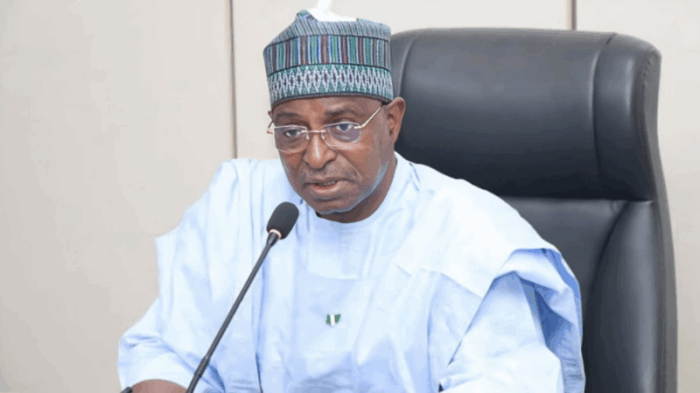
The support was agreed during a strategic meeting in Abuja between Idi Mukhtar Maiha, Minister, Livestock Development, and Hussein Gadain, representative Food and Agriculture Organisation of the United Nations and ECOWAS.
The intervention will fund Nigeria’s response to the outbreak of highly pathogenic avian influenza across 11 affected States. The programme focuses on disease containment, stronger surveillance systems and improved emergency response mechanisms.
Industry analysts say the move is significant for Nigeria’s poultry value chain which contributes billions of naira annually and supports thousands of small and medium scale farmers.
Disease outbreaks such as avian influenza can disrupt egg and poultry supply, trigger price volatility and lead to heavy losses for producers.
Maiha said strengthening disease control systems is critical to improving livestock productivity and safeguarding investments in the sector.
He noted that drought, feed shortages, wildlife interaction and cross border livestock movement have contributed to the spread of animal diseases in parts of the country.
The minister said collaboration with the FAO would help protect livestock assets and support broader reforms aimed at transforming Nigeria’s livestock industry into a more productive and resilient sector.
Beyond bird flu control, both parties also reviewed Nigeria’s progress in tackling Peste des Petits Ruminants, a highly contagious disease affecting sheep and goats, which has long constrained small ruminant production across Africa.
As part of the strategy, the Ministry will work with the National Veterinary Research Institute to assess domestic vaccine production capacity while exploring additional procurement options to close supply gaps.
Officials also discussed accessing financing from the Pandemic Fund through the One Health framework in collaboration with the Nigeria Centre for Disease Control and the Federal Ministry of Health to strengthen Nigeria’s preparedness for zoonotic disease outbreaks.
Stakeholders say improved disease surveillance, stronger veterinary services and coordinated donor support are essential for stabilising livestock production and boosting investor confidence in Nigeria’s rapidly evolving livestock sector.
The meeting further agreed to establish a livestock donor working group to coordinate development partner support, including plans to develop a national feed and fodder strategy aimed at improving productivity and sustainability in the industry.

Join BusinessDay whatsapp Channel, to stay up to date
Open In Whatsapp