… Rivers, Enugu trail
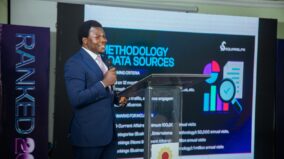
Nine Nigerian states, including Anambra, Benue, and Kaduna, ranked highest for fiscal transparency in the fourth quarter of 2025, while Rivers and Enugu placed at the bottom due to missing financial disclosures and weak procurement data, according to a new report by civic organisation BudgIT.
The report, the States Fiscal Transparency League (SFTL) Q4 2025, evaluates how well subnational governments publish and manage financial information such as budget implementation reports, procurement data, and fiscal records on official websites.
Anambra, Benue, Ebonyi, Ekiti, Gombe, Jigawa, Kaduna, Kebbi, and Osun achieved the highest transparency scores, each recording the maximum 39 points across the indicators assessed.
Read also: Top 10 states with highest project completion rates in FG 2024 budget – BudgIT Tracka
These states were classified as “progressive performers,” reflecting consistent publication of quarterly budget reports, operational e-procurement portals, and accessible fiscal data repositories.
Ekiti stood out for maintaining the top position throughout 2025, a performance the report said reflects institutionalised transparency systems rather than occasional compliance.
“Sustaining top performance throughout the entire fiscal year reflects structured systems rather than episodic compliance,” the report noted, adding that the state’s reporting practices show transparency processes embedded in its public finance architecture.
In the middle of the ranking were a broad group of states, including Abia, Adamawa, Edo, Katsina, Kogi, Ogun, and Oyo, which generally met reporting requirements but showed gaps in procurement disclosures or the depth of fiscal reporting.
Many states publish budget implementation reports but fail to update procurement portals regularly with details of awarded contracts, the report said.
For instance, Lagos, Nigeria’s commercial hub, maintained accessible budget performance reports and structured fiscal disclosures but scored lower due to a non-functional procurement portal, which limits scrutiny of the state’s contracting activities.
“Without accessible contracting data, citizens, businesses, and oversight actors cannot fully interrogate how public resources are translated into projects and services,” the report said.
At the bottom of the league table were Rivers and Enugu, which recorded the lowest scores largely because key fiscal documents were missing at the time of review.
Rivers failed to publish its quarterly budget implementation report and had no awarded projects listed on its procurement portal, while Enugu’s procurement platform was non-functional and its fiscal repository required updating.
Budget implementation reports are expected to be published within 30 days after the end of each quarter under Nigeria’s fiscal responsibility framework, making them a critical tool for monitoring how government revenues and expenditures are performing.
The assessment is designed to track whether states maintain transparency gains achieved under the World Bank-supported State Fiscal Transparency, Accountability and Sustainability (SFTAS) programme, which previously incentivised open financial reporting among subnational governments.
BudgIT said several common issues continue to undermine fiscal openness across states, including outdated procurement portals, delayed publication of financial reports, and incomplete fiscal repositories.
To strengthen accountability, the organisation urged states to publish complete budget implementation reports on time, maintain functional procurement portals, and ensure financial data is accessible and regularly updated.
“Transparency is strongest when citizens can trace funds from appropriation to contract award and implementation,” the report said, noting that consistent disclosure remains central to improving public trust in state finances.

Join BusinessDay whatsapp Channel, to stay up to date
Open In Whatsapp