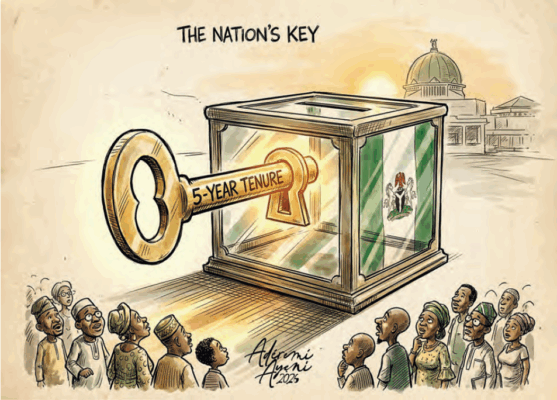
Nigeria’s democratic journey, restored in 1999 after prolonged military rule, has reached a stage where persistent insecurity, uneven development, rising public distrust, and escalating electoral costs have pushed many Nigerians to openly clamour for restructuring and institutional reform. These demands reflect a growing recognition that the country’s governance challenges are not merely a function of leadership quality, but of structural incentives embedded in the political system. In this context, the proposal for