Over N560 billion is being committed by the Plateau State Government to revive abandoned roads and deliver new infrastructure across the state, following the inheritance of about 45 long-neglected road projects and the approval of 10 new ones since May 2023.
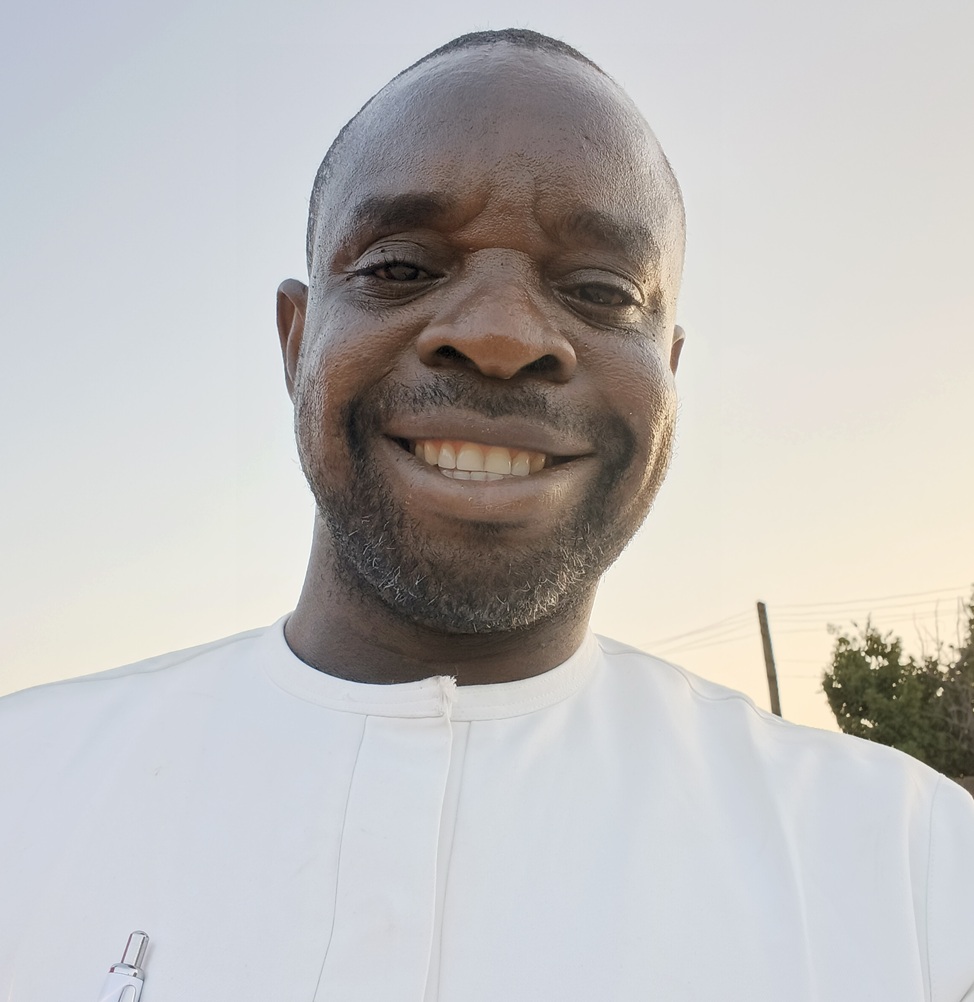
Joshua Ubandoma Laven, Plateau State Commissioner for Works, disclosed this during a press briefing on Monday in Jos, explaining that the administration inherited projects abandoned for between 10 and 12 years, spread across Northern, Central, and Southern Plateau, and carrying heavy financial and developmental liabilities.
Laven said Governor Caleb Manasseh Mutfwang directed that governance must prioritise continuity and impact, leading to a decision to recover, reassess, and complete inherited road projects rather than abandon them, while also addressing critical connectivity gaps.
Out of the 45 abandoned projects, he said 18 priority roads were immediately re-engaged, covering key corridors within the Jos–Bukuru metropolis as well as long-neglected rural routes across the three zones of the state.
Despite inflation and rising construction costs, the commissioner said the 18 projects are currently at various stages of completion, with progress recorded in earthworks, drainage systems, bridges, asphalt laying, and surface dressing, adding that none has been abandoned under the current administration.
He explained that the cost of constructing one kilometre of asphalt road now ranges between N1.2 billion and N1.55 billion, with revised total cost assessments placing inherited road infrastructure liabilities at over N360 billion.
Read also: Mutfwang outlines Plateau’s 2026 vision, pledges peace, infrastructure, inclusive growth
In addition to inherited works, Laven said the government approved 10 new strategic road projects to connect communities with no access roads, including local government headquarters and security- and agriculture-sensitive areas such as Ampere–Dengi, Dengi–Wase, Bokkos, Mangu, Lantang, Mekong, and Barkin Ladi among others.
He said the newly approved projects are estimated to cost between N160 billion and N200 billion, following due diligence and RATC approvals, with contractors already mobilised and phased construction underway across multiple locations.
“These road projects are not cosmetic but strategic interventions designed to enhance security, agriculture, tourism, and economic growth,” Laven said, noting that improved access has reduced travel time, lowered transport costs, and strengthened rural–urban economic links.
“This administration chose responsibility over excuses and continuity over abandonment,” he added.
Beyond road construction, the commissioner said the Ministry has executed extensive solar-powered street lighting projects across Jos metropolis and major urban corridors to improve safety, night-time economic activity and urban aesthetics.
He added that additional street lighting phases are ongoing, targeting suburbs and crime-prone areas to ensure full illumination of critical corridors and extend commercial and social activities into the night.
Join BusinessDay whatsapp Channel, to stay up to date
Open In Whatsapp