


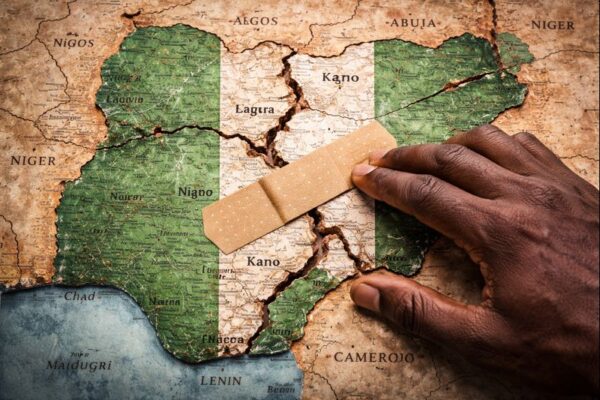
As Nigeria enters 2026, it confronts one of the most demanding moments in its post-independence history. Insecurity has intensified across large parts of the country, poverty has deepened, public services have weakened, and trust in institutions continues to erode.
These are not abstract impressions. Nigeria is home to an estimated 18 million out-of-school children, according to UNICEF. It accounts for nearly 20 per cent of global maternal deaths, based on WHO data. Youth unemployment and underemployment remain persistently high, while viole


